During my tenure as the food and dining critic for the Tampa Bay Times, the local restaurant landscape has evolved tremendously. Over the past five and a half years, we’ve witnessed a pandemic-fueled takeout game give way to a boom in quick-service concepts. We’ve swapped out casual spots for white tablecloths and high-end tasting menus. And, through it all, we’ve witnessed inflation on the plate firsthand: We are paying more than ever for our food and drink.
Recently, hurricanes Helene and Milton unleashed a tough blow for Tampa Bay eateries, in particular violent storm surge that flooded some local spots. Add to that rising food and labor costs and one of the slowest summers in recent memory, and it’s not hard to see why we’ve lost more than a few beloved restaurants the past 12 months.
But the Tampa Bay hospitality world is fueled by an incredibly resilient bunch, and when things got tough, the local restaurant industry got to work, with fundraisers and relief drives for hospitality workers out of a jobin the wake of the storms. It’s been inspiring to watch chefs and restaurateurs respond with such tenacity. And as we wind down 2024, I can confidently say — after consuming hundreds of meals across the area — that Tampa Bay’s restaurant landscape is teeming with talent and ambition.
Over the past four months, I’ve dined at restaurants all across the area to compile this list, whichencompasses the very best places to eat right now. In a way, this list is the result of hundreds of meals, research and reporting from the past five years: Until now, I’ve never crafted a ranked list culled from eateries both new and old.
“Best of” lists can sometimes come off as stale or elitist, out of touch with how so many of us choose to dine. I wanted this list to feel more dynamic and approachable — a fluid and diverse collection of eateries that showcases how varied and endlessly creative our local restaurant game has become.
On my list of the Top 30 Restaurants in Tampa Bay, you’ll see quick-service spots sidling tasting menu-only restaurants, and intimate eateries sharing the spotlight with sandwich shops.
There are spots like Rocca, which five years in is still hitting it out of the park with creative, finessed takes on modern Italian cooking. The list includes several fine-dining destinations, like Koya and Ebbe, home to some of Tampa Bay’s most innovative fare and avant-garde technique. They’re creating a roadmap for more ambitious endeavors to come. And then there are restaurants like Calida in St. Petersburg and Tampa’s Lucky Tigre, newer eateries that excel with creative global flavors in small spaces while showcasing up-and-coming talent.
You’ll likely notice a few newcomers have been left off, places that hadn’t been open long enough to work out the kinks and fully hit their stride. That’s OK — I know they’ll get there, and I’m excited to see where they land on next year’s list.
You might also notice that some long-running classics are absent. This isn’t to say these spots aren’t good, but they perhaps didn’t feel quite as contemporary as their counterparts, the places that really represent the current state of Tampa Bay’s dining culture. (For our rundown of the area’s most iconic restaurants, see our list here.)
There’s still room for Tampa Bay’s restaurant scene to grow. But we’ve come a long way — as restaurant owners, as chefs and as diners. These 30 restaurants best define how we love to eat right now.
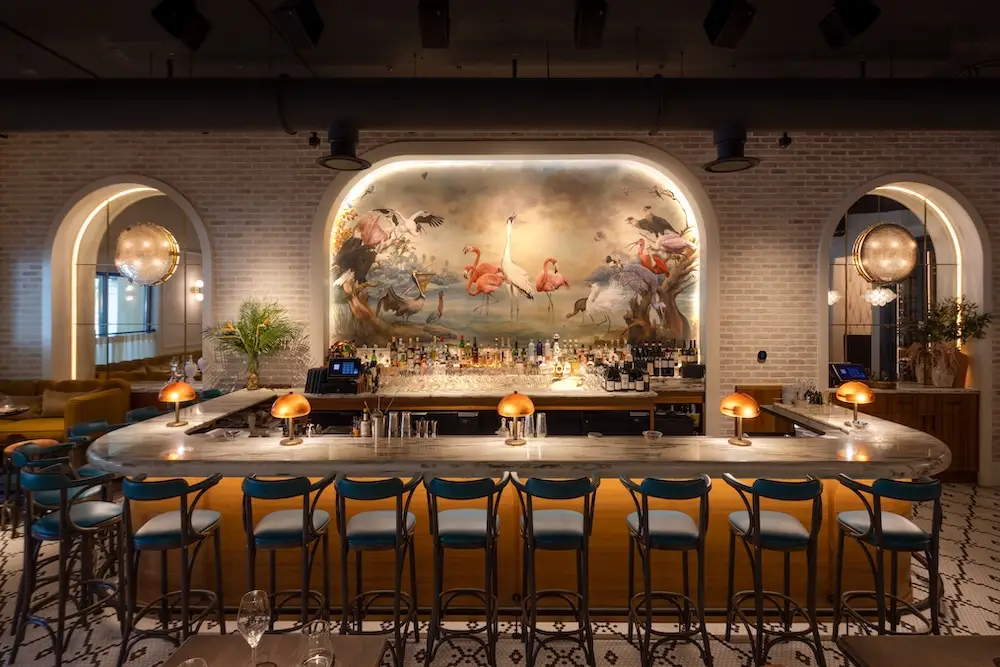
11. Allelo
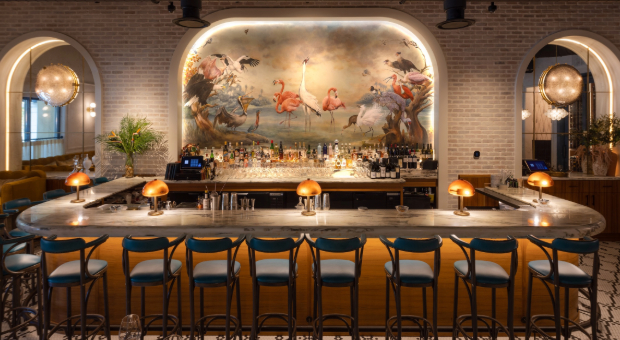
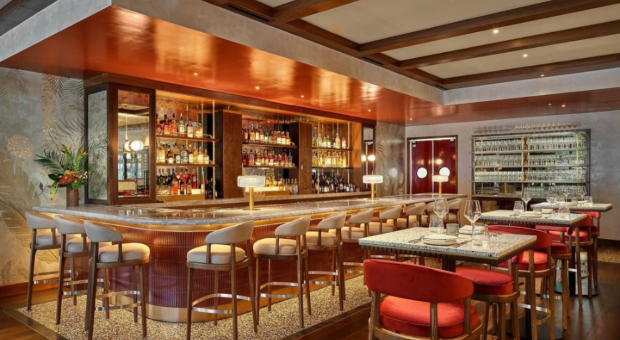
Beach Drive NE is looking pretty good these days, and a lot of that has to do with two restaurants. One is Allelo; the other is Juno & The Peacock. Both are owned by Shawn and Jeanna Damkoehler, longtime Pinellas County residents who have taken it upon themselves to revamp several long-running properties along St. Petersburg’s tony downtown boulevard. Juno & The Peacock opened in August and is thereforetoo new to be included in this list.
But Allelo easily stands on its own and is every bit worth the hype. Culinary director Nick Ocando has created an upscale, loosely Mediterranean menu that hinges on shared plates, ranging from a steak tartare made tableside with Moroccan khobz bread to a cacio e peppe with Tuscan kale and mushrooms to a showstopper of a roasted cauliflower that’s dusted in za’atar and served with a garlicky gremolada. The restaurant also offers an excellent cocktail program and lengthy wine list curated by sommelier extraordinaire Michelle Richards — an ambitious and wildly creative collection consisting almost entirely of Old World selections.
Don’t skip: Beef tartare, cacio e pepe
300 Beach Drive N.E., No. 128, St. Petersburg. 727-851-9582. allelostpete.com
Text by Helen Freund, Times Staff
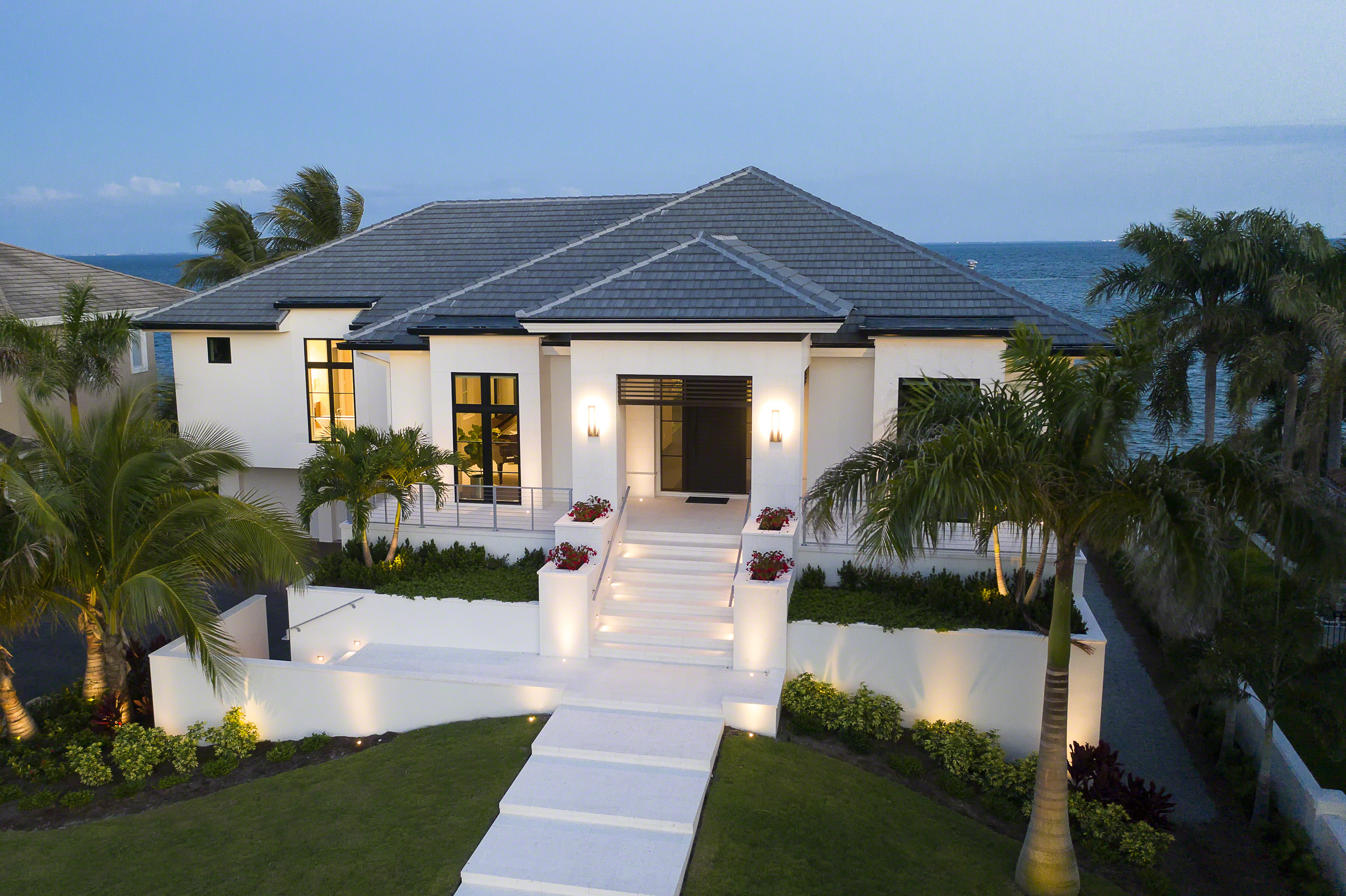
St. Petersburg, Florida, is a vibrant area full of safe neighborhoods. It’s a great place to live, thanks to its affordability, its strong job market, and its beautiful weather. St. Petersburg also offers plenty of restaurants, shopping centers, cultural attractions, and close proximity to beautiful beaches. With its year-round activities, you will find an event for every interest. Because of its low cost of living, many people reside in the city. If you are one of the people who want to settle in St. Petersburg, Florida, our editorial team compiled 10 of the best residential architects to build you and your family a new haven.
Behar + Peteranecz Architecture
2430 Terminal Drive S, St. Petersburg, FL 33712
Behar + Peteranecz Inc. is a design institution headquartered in St. Petersburg, Florida. It opened its doors in 2008 and has since served clients throughout Central Florida, providing residential and commercial architecture services. Behar + Peteranecz Inc. approaches each project efficiently and creatively, providing clients with aesthetic results and a fun construction experience.
The firm perfectly balances detail, innovation, and functionality to construct beautiful spaces that exceed clients’ expectations. Behar + Peteranecz Inc. operates under the leadership of Jordan Behar and Istvan Peteranecz. Jordan is the co-founder of The Factory St. Pete and a former principal of Modal AI Inc. He attended the University of Florida and Florida Agricultural and Mechanical University. Meanwhile, Istvan served as a residential design specialist at Bullock Tice Associates.
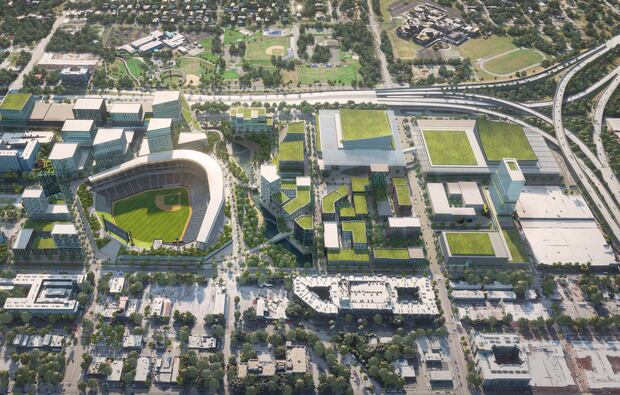
The city will host public meetings this week on its shortlisted proposals to redevelop the Trop site. Let’s break them down.
ST. PETERSBURG — The public will have an opportunity to see and weigh in on the four proposals for the redevelopment of the 86-acre Tropicana Field site during sessions this week.
All of the proposals address the requirements the city laid out in its solicitation for bids last year. All imagine homes, offices, tourism, education and retail coexisting. All leave space for a ballpark should the Tampa Bay Rays ultimately want to develop another stadium on the site, while making accommodations for parkland, revitalizing Booker Creek, incorporating the site’s racial history and providing for sustainability and arts and culture.
The differences are in the details, broken down below by each proposal. Mayor Rick Kriseman could make his final selection as soon as May.
Sugar Hill Commons/Sugar Hill Parks: ‘A once-in-a-generation opportunity’
Developer: Sugar Hill Community Partners, led by San Francisco developer JMA Ventures
Cost: Approximately $3.1 billion in construction costs with a stadium; $2.6 billion without. The proposal calls for $837 million in public funding.
Residences/affordable housing: 2,000-3,200 residential units, with 50 percent designated affordable or workforce housing, and some units reserved for an “artist-in-residence” program.
Office square feet: Two million square feet with a ballpark, 3.1 million without.
Retail square feet: 280,000 square feet with a ballpark; 325,000 square feet without.
Parks and greenspace: With a stadium, it would have 24.3 acres of greenspace, including parks, plazas and some portion of the ballpark’s roof. Its no-ballpark plan has 25.7 acres of green space.
Stadium: If the Rays stay, Sugar Hill proposed a 25,000-seat stadium on the northeast corner of the property, closest to downtown and Central Avenue, with views from nearby buildings akin to Wrigley Field in Chicago. Because that part of the parcel is slightly elevated, the stadium could be dug into ground, which makes access easier for fans.
Hotels and conference space: One 500-room hotel, a 150-room “lifestyle” hotel and a 1.1 million-square-foot convention center.
Research and higher education: Includes a 500,000-square-foot marine science center inspired by AltaSea in Los Angeles, plus 675,000 to 870,000 square feet for a technology campus.
Inclusiveness, equality and racial history: A history walk will run along a pedestrian promenade and connect to existing and planned history trails. A farmers’ market with produce grown at an on-site urban farm targeted specifically toward South St. Petersburg Community Redevelopment Area residents, with learning opportunities for John Hopkins Middle School, Melrose Elementary and Campbell Park Elementary students. Plus a workforce development program through St. Petersburg College.
Arts and culture: Sugar Hill will partner with the St. Petersburg Arts Alliance to create a project-wide art plan and explore the possibility of building a cultural arts center. The proposal also includes partnering with 3 Daughters Brewing to launch a Black-owned brewery. There will be an artist-in-residence program with housing available.
When those behind Sugar Hill Community Partners’ proposal looked at the Trop site, all they saw was a hole.
The Trop site, they said, was a void. While neighborhoods around it — downtown to the east, the Edge District to the north and the Warehouse Arts District to the west — have all blossomed, the 86-acre Trop site remained stagnant. It was within that context, at the nexus of the city’s most rapidly growing and historic communities, that Sugar Hill began its design.
“So first we looked at it as a way to reconnect the community,” said Jordan Behar of St. Petersburg-based Behar Peteranecz Architecture, one of the architects on the project. “Tie together the disparate neighborhoods.”
That starts with enhancing the connection points that exist, like 16th Street and First Avenue S. There will be urban parks underneath those underpasses. And a new pedestrian footbridge doubling as a sculpture garden, with inspiration from Manhattan’s High Line, would swoop over Interstate 175 to connect with Campbell Park.
“You want to make something that was initially a weakness look intentional,” David Carlock, whose firm, Machete Group, is managing the development, said of the highway underpasses.
Among the ways the Sugar Hill proposal stands out is for its enormous, 1.1 million-square-foot convention center. It also proposes an “urban beach” around its expanded Booker Creek design.
The Sugar Hill team includes developers and real estate investors whose projects include Atlanta’s Ponce City Market, San Francisco’s Chase Center, the St. Pete Pier and Water Street Tampa.
Sugar Hill proposes a history walk that would stretch the length of a pedestrian walkway, from the southwest to northeast along the property, creating an X shape with Booker Creek.
The name itself, Sugar Hill, comes from a neighborhood destroyed to make way for the Interstate 175 spur. And the company’s proposal includes working with the African American Heritage Association of St. Petersburg and the Carter G. Woodson African American Museum to come up with historically relevant names for buildings and spaces.
Text by Jay Cridlin and Josh Solomon
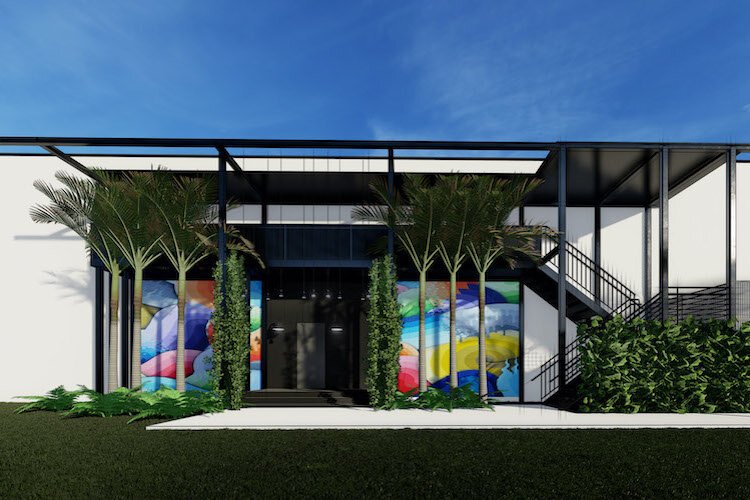
If Fairgrounds is anything like Santa Fe-based Meow Wolf, a multimedia interactive entertainment venue with art installations, performances, music, and video, it will be transformative for South St. Petersburg.
The inspiration of Liz Dimmitt and Mikhail Mansion, Fairgrounds has as an intriguing tagline: “art for all, play for all and joy for all.”
“We’re celebrating the creative community here — it’s a place where everyone can have a good time,” says Dimmitt.
To give the local community a glimpse of what to expect, Dimmitt and her creative team put together a mermaid attraction for the final event at last October’s SHINE Mural Festival. Gulfport native Raven Sutter, wearing a mermaid costume, was featured swimming in a 1,000-gallon traveling tank.
A mermaid may not be part of Fairground’s permanent art installation. But the new 12,000-square-foot arts venue is expected to offer out-of-the-ordinary experiences for the public, showcasing work by local and Florida artists.
Fairground’s Facebook page reports, “Our vision is to collaborate with many types of artists and makers in order to build a fun-filled immersive arts exhibition.”
Both Dimmitt and Mansion have an appreciation for developing interactive installations that combine art and technology to create something unique and different.
Spurring economic success with creativity
In 2016, Dimmitt worked with the Vinik Family Foundation to produce The Beach Tampa by Snarkitecture. The immersive art installation filled Amalie Arena with an “ocean” of 1.2 million recyclable white balls.
A long-time cultural strategic and curator, Dimmitt has extensive experience helping create unique experiences, events, and programs for companies, foundations, cities, and individuals. She is also the managing partner for Dimmitt Chevrolet in Clearwater.
Mansion grew up in the Tampa Bay area and earned an MFA in Digital & Media from the Rhode Island School of Design. He has worked with clients all over the world in creating projects that use cutting-edge emerging technology, such as robotics, artificial intelligence, and virtual reality. As the technology director for Tellart, he helped create stories through interactive products, installations, and exhibitions. He was also part of the core design team behind Toyota’s new Concept-i, a futuristic autonomous-vehicle slated to drive athletes around at the 2020 Summer Olympics in Tokyo.
He and his wife Olivia are the founders of Transmission Arts, an arts and technology company focused on experimental and immersive media art installations. They have been commissioned by Meow Wolf to create artwork for a new exhibition in Las Vegas called Area 15.
In 2016, the couple moved back to the Tampa Bay to be closer to family living here. Mansion says he continued working on international projects, but “wanted to put a flag in the ground here” by making a contribution locally.
“I had seen St. Pete blossom into this rich creative community but I felt what was missing was an interactive arts and technology focus,” says Mansion. “We started hosting free art and technology meetups to talk about integrating technology into traditional art mediums and making them new and interactive.”
An introduction from John Collins, director of the St. Petersburg Arts Alliance, put Dimmitt and Mansion together. Now they are working together to create Fairgrounds.
Designing a destination
The two envision Fairgrounds as both a place for the public to enjoy novel art experiences and space where artists can work, create, collaborate, learn and teach. “We’ll have labs and education, with a focus on teaching about new art forms and helping artists develop new capabilities,” says Mansion, who has taught at the Rhode Island School of Design and Brown University, and currently teaches at The University of Tampa.
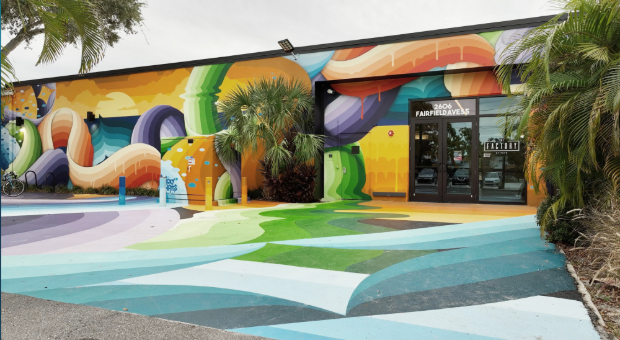
Although Fairgrounds will be a unique venture, it’s not going to be a stand-alone building. It’s actually part of a much bigger project called The Factory St. Pete.
Dimmitt is putting that project together with Jordan, a principal architect with Behar + Peteranecz Architecture, and his wife Kara, executive director of the firm.
“I had been scouting locations for an immersive arts installation and asked Jordan and Kara to keep their ear to the ground,” says Dimmitt. “They said they had found something, but it was a little bigger than I was looking for. I was thinking about a 5,000-square-foot space. What they found was 90,000.”
The property the Behars identified, six-and-a-half acres in St. Pete’s Warehouse Arts District, has eight buildings. It had been previously used as a manufacturing site for Madico Window Films, which was moving its headquarters to Pinellas Park.
The Dimmitts and the Behars purchased the site on Fairfield Avenue South. What was going to be a large exhibition space soon morphed into something much more significant.
“We’re taking a former factory and repurposing it as an arts and cultural destination in South St. Pete,” says Dimmitt.
Fairfield Avenue South runs along one side of the property. The other side borders the Pinellas Trail, the former CSX rail line that is now a 38-mile trail for bicycling, walking and jogging that extends from South St. Pete to Tarpon Springs.
The Morean Center for Clay at the Historic Train Station is close by. So are other artist venues, including Duncan McClellan Gallery and Zen Glass. Plans call for the new Carter G. Woodson Museum to be located in this part of town, too. “It’s all part of a corridor that is developing in this area of South St. Pete,” says Dimmitt.
Behar + Peteranecz Architecture is also headquartered nearby in a former 10,000-square-foot warehouse that the team transformed into a spacious creative studio complete with large art installations. That same creative touch will be applied to The Factory as Behar + Peteranecz Architecture creates an adaptive reuse design for the interior and exterior of the Factory’s buildings.
The new venue is expected to be ready for occupancy sometime later this year, and when it opens, it will not only be home to Fairgrounds, but also a variety of hip, local creative organizations.
So far, Fairgrounds, the St. Petersburg Arts Alliance, Barley Common Brewery, Black Crow Coffee, Tampa Bay Businesses for Culture and the Arts and Daddy Kool Records will be moving in, as well as the YMCA of Greater St. Petersburg’s Dance Academy and Keep St. Pete Lit, an organization showcasing St. Pete’s literary community.
“St. Pete has a lot of momentum and really understands the value of arts and culture and how important it is to support a community of artists and makers,” says Dimmitt. “Everyone we have talked to about what we’re hoping to accomplish has been saying awesome, how can we help.”
Text by Janan Talafer
ResidenceBelleair Beach, FL
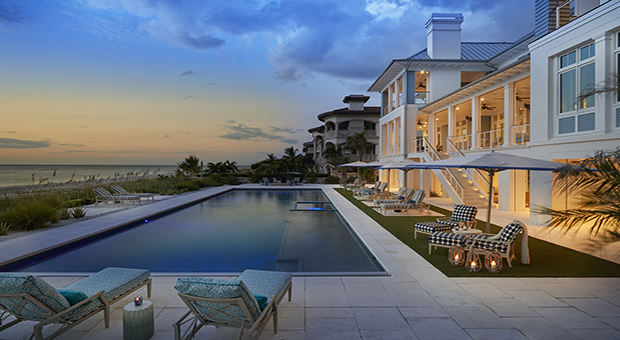
ResidenceTampa, FL
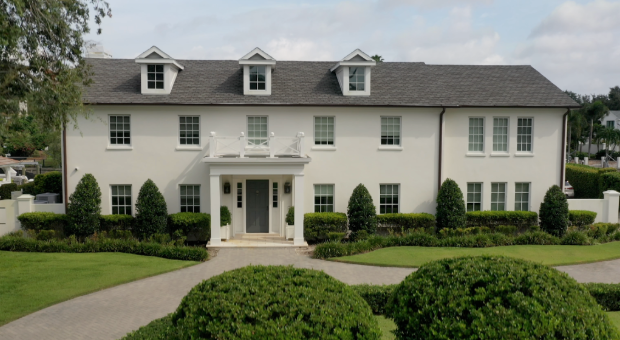
ResidenceClearwater Beach, FL
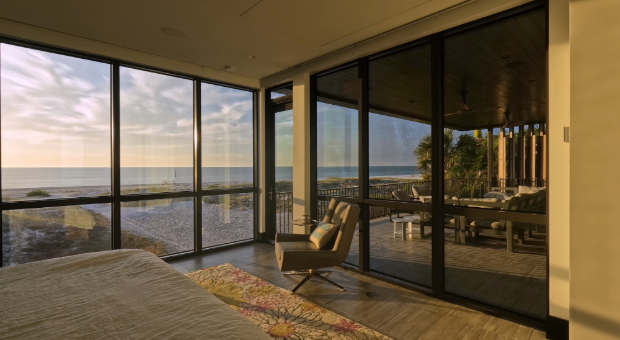
ResidenceNew York, NY
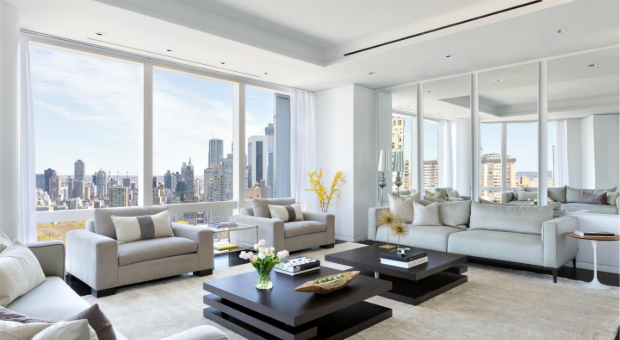
ResidenceClearwater Beach, FL
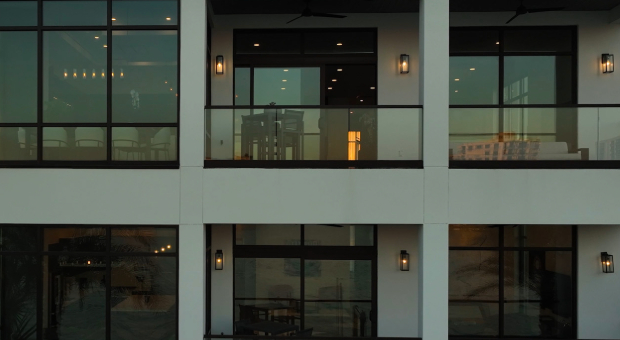
ResidenceClearwater Beach, FL
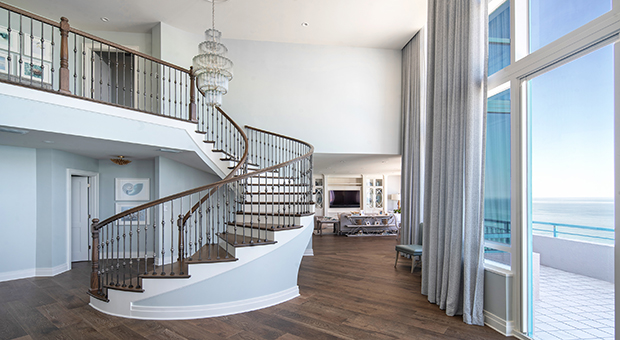
ResidenceSt. Petersburg, FL
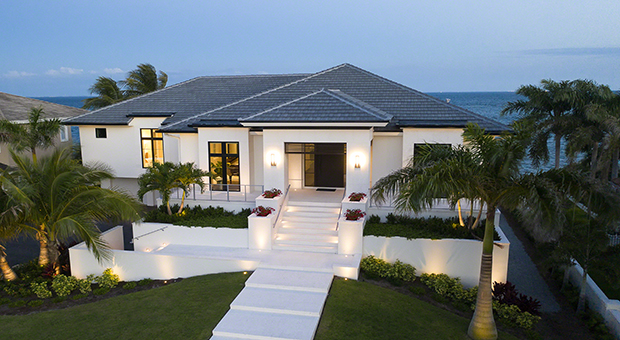
ResidenceSt. Petersburg, FL
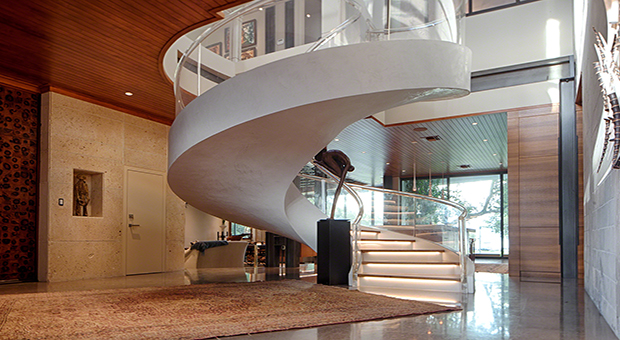
ResidenceSt. Petersburg, FL
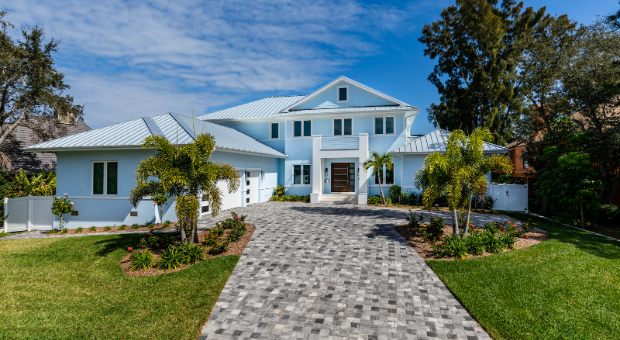
ResidenceClearwater Beach, FL
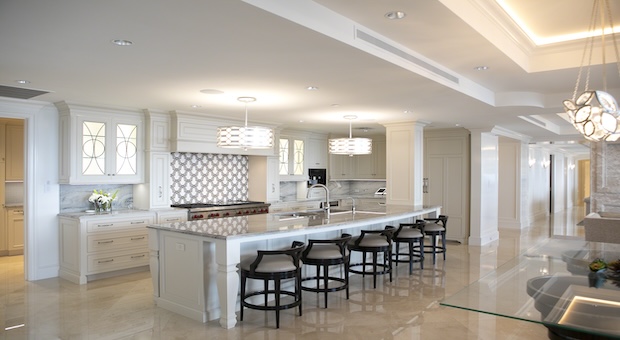
ResidenceCrystal Beach, FL
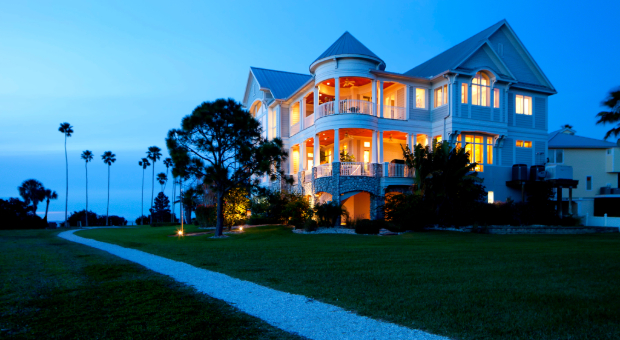
ResidenceSnell Isle, FL
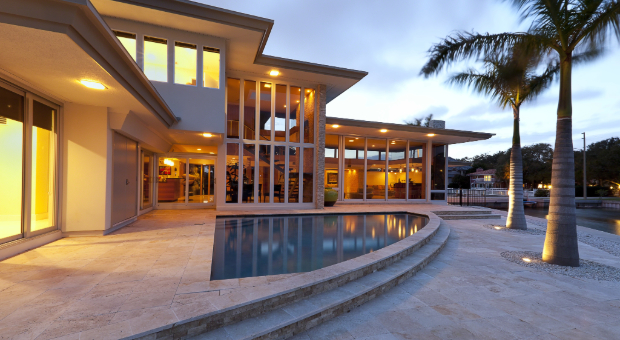
ResidenceDunedin, FL
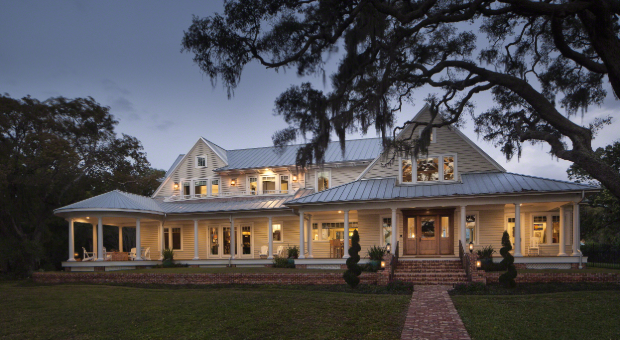
ResidenceSt. Petersburg, FL
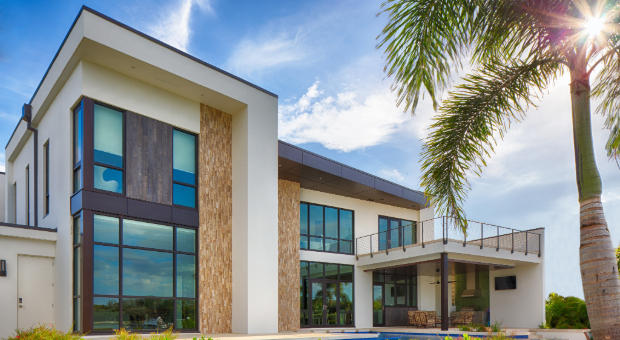
ResidencePalm Harbor, FL
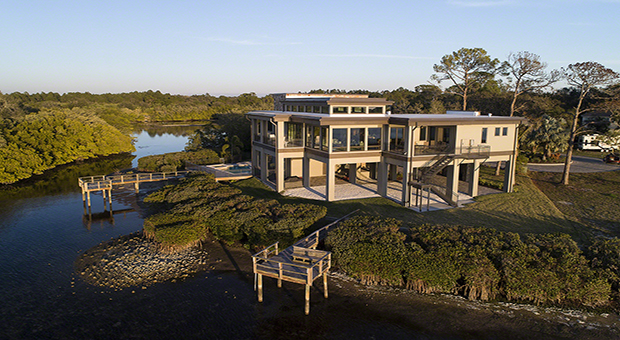
ResidenceBelleair, FL
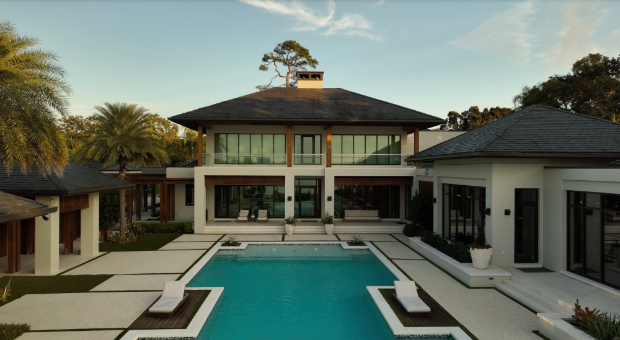
ResidenceClearwater Beach, FL
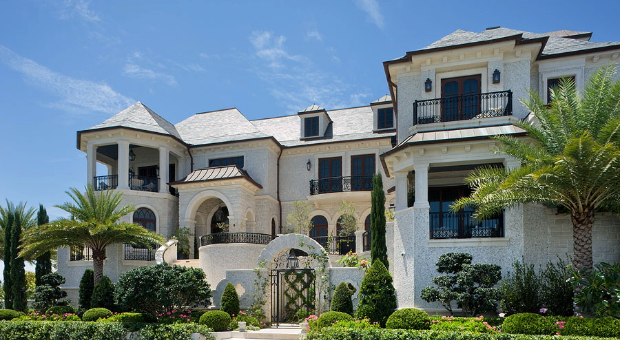
ResidenceBelleair Bluffs, FL
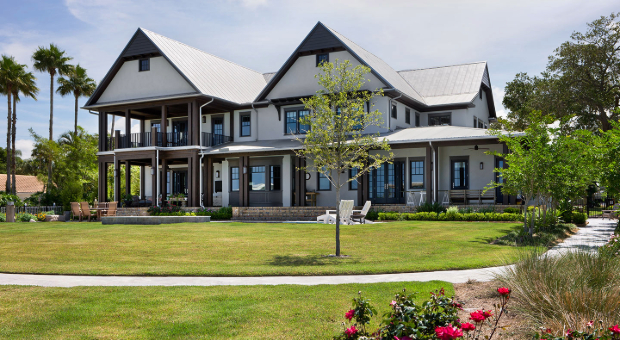
ResidenceSouth Tampa, FL
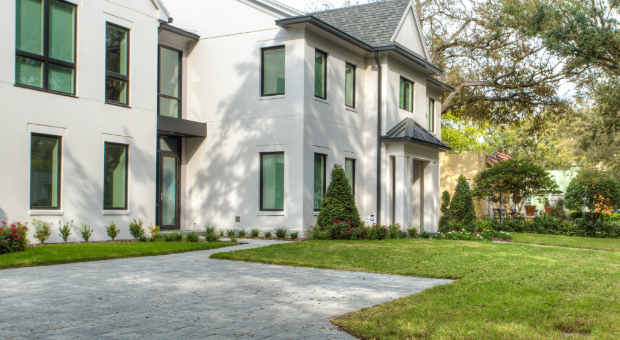
ResidenceClearwater, FL
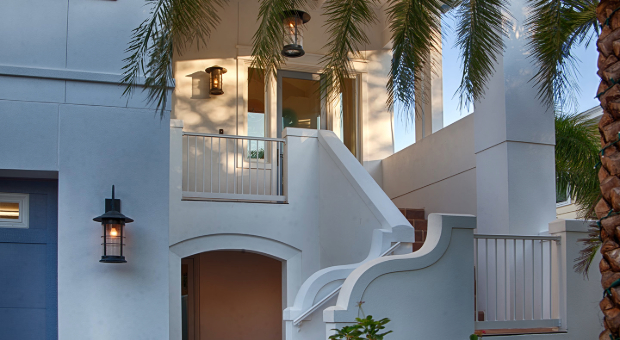
ResidenceDunedin, FL
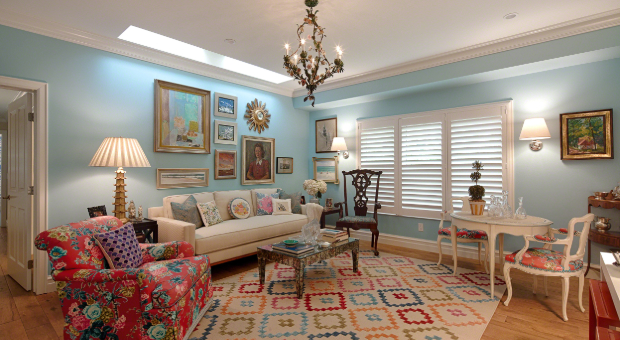
CommercialBoulon Brasserie
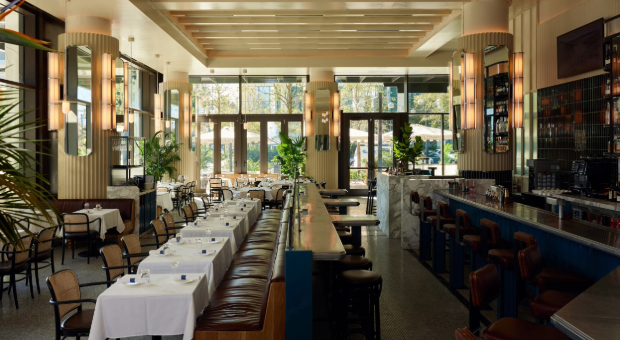
CommercialHiatus Hotel
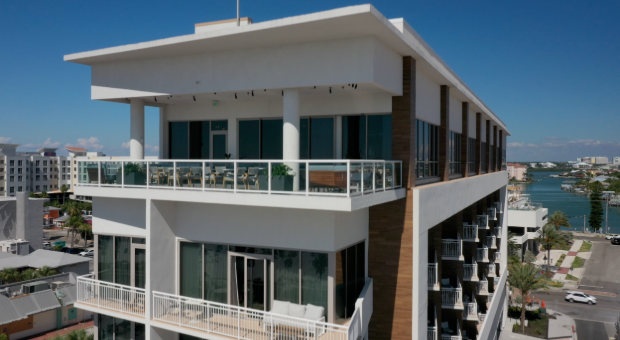
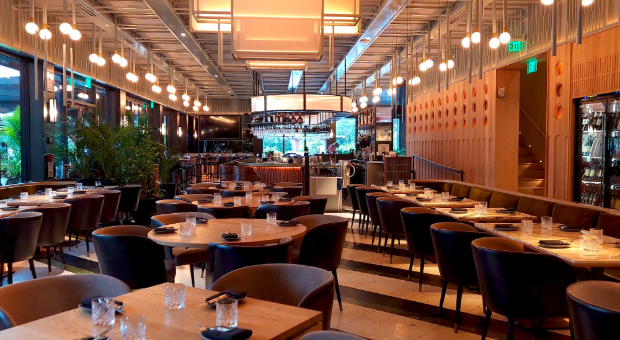
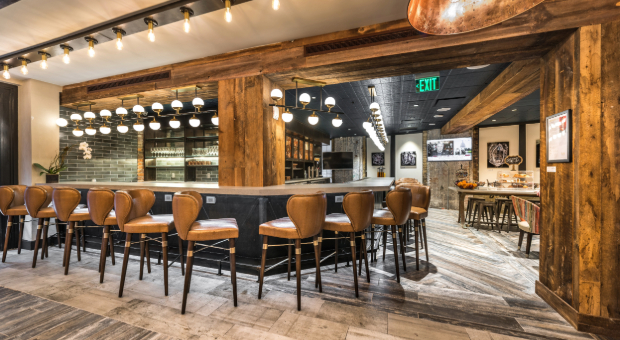
CommercialAllelo
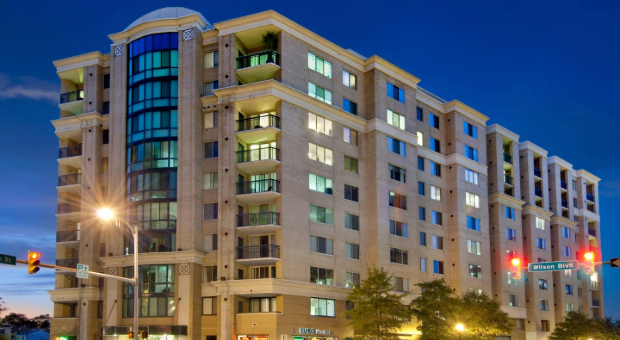
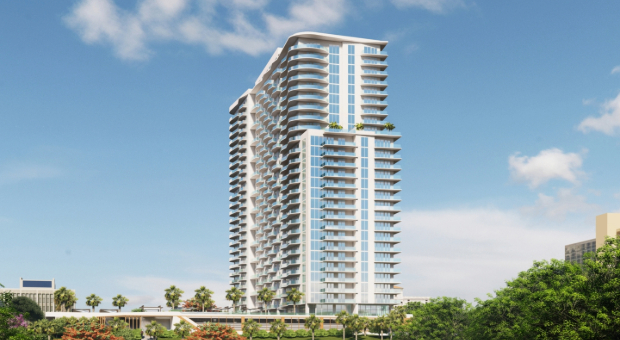
CommercialWilson Apartments
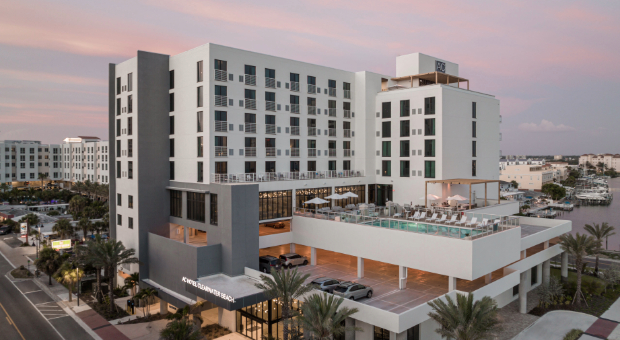
CommercialAC Hotel by Marriott Clearwater Beach
CommercialJuno & the Peacock
CommercialArt Center
CommercialThe Bluffs
CommercialUnion New American
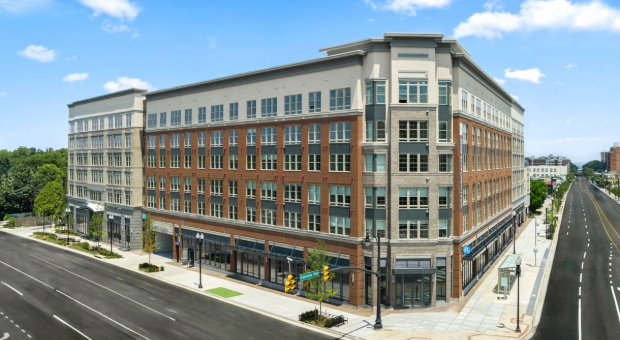
CommercialWestmont Apartments
CommercialWish Farms Headquarters
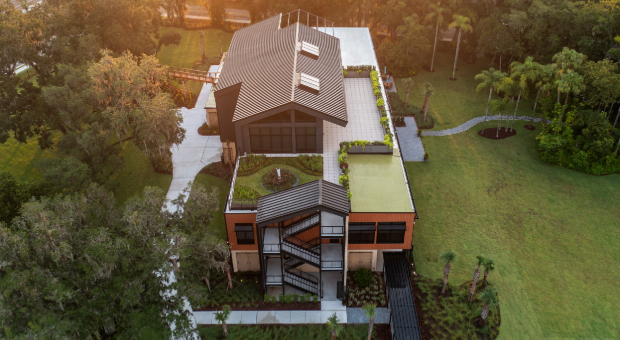
CommercialCameron Station
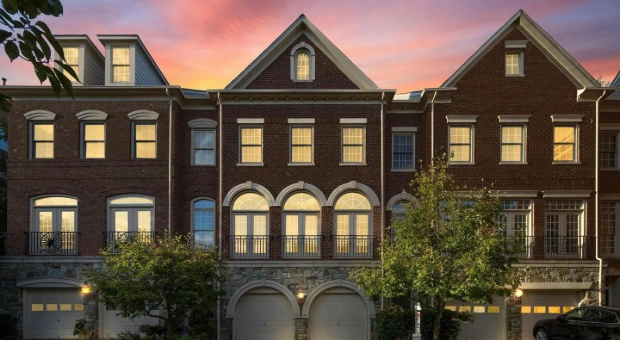
CommercialBerkeley Early Childhood Education Center
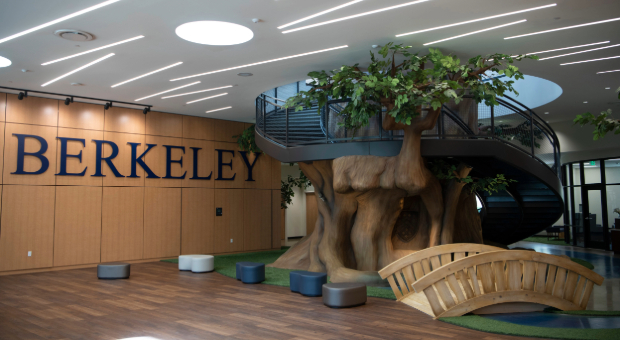
CommercialCommunity Center
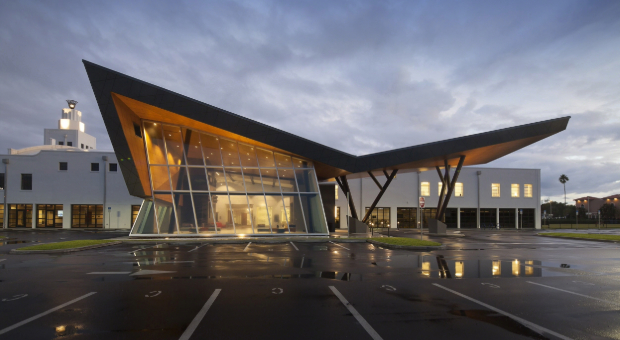
CommercialThe Mercantile Hotel
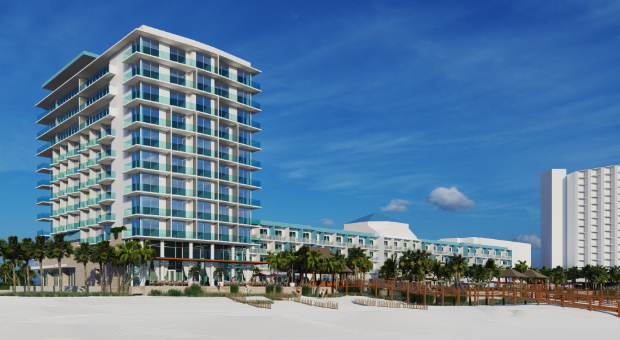
CommercialINDPB Pensacola Beach
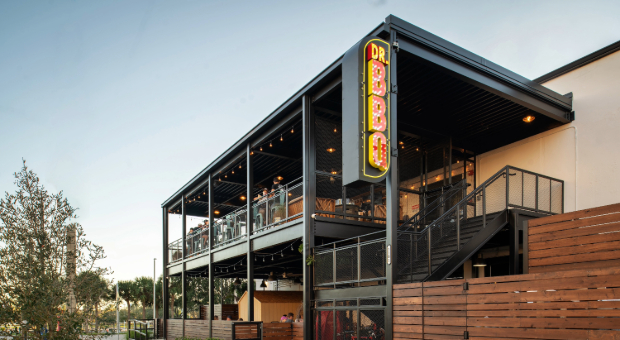
CommercialDr. BBQ
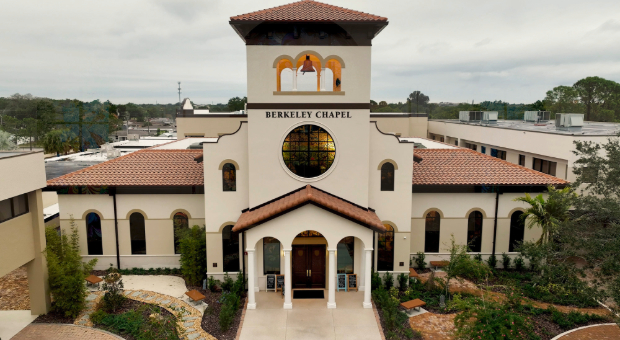
CommercialBerkeley Preparatory School Chapel
CommercialBerkeley Preparatory School Lower Division
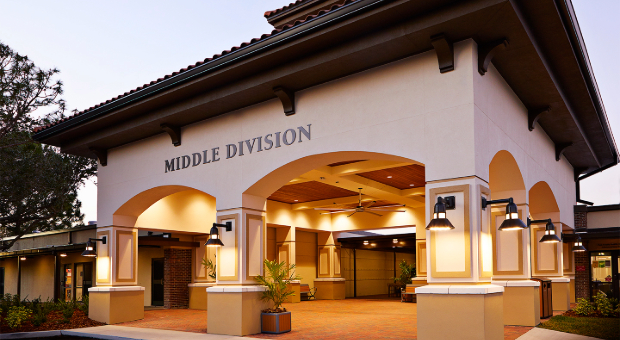
CommercialStaybridge Suites
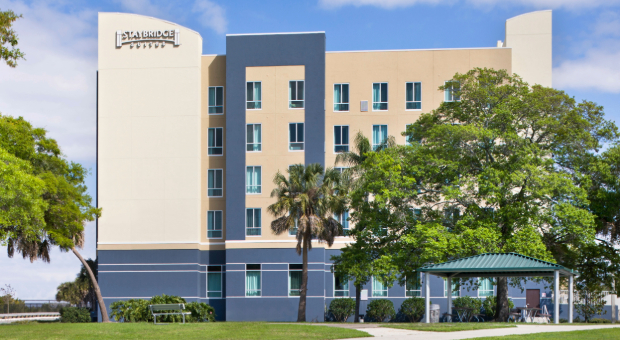
CommercialBehar + Peteranecz Architecture Office
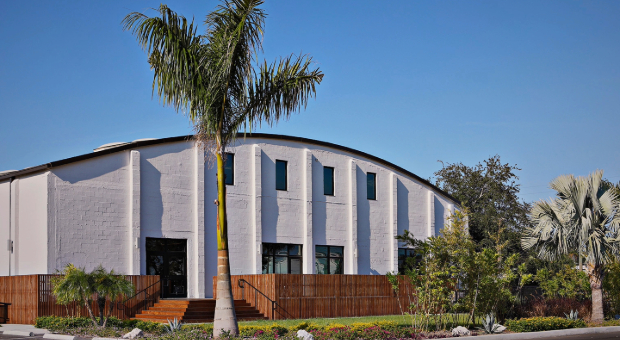
CommercialShephard’s Beach Resort
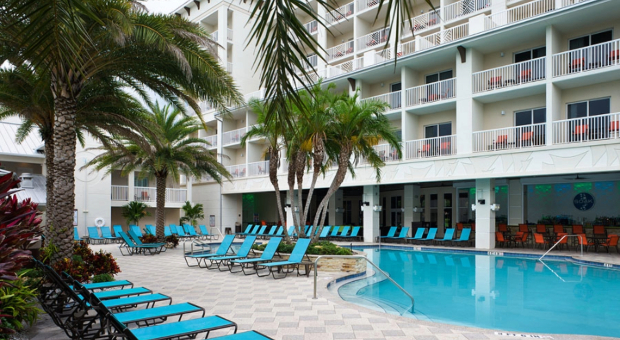
CommercialHampton Inn Orange Beach
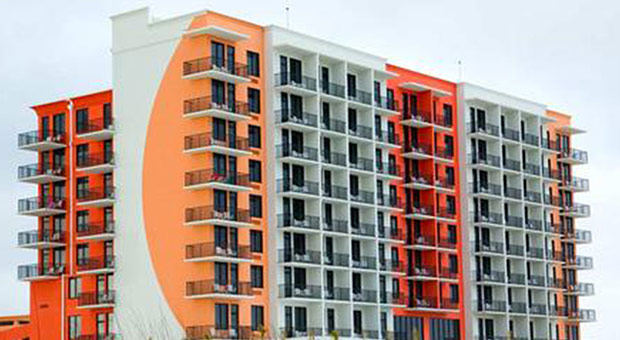
CommercialPearly’s Beach Eats
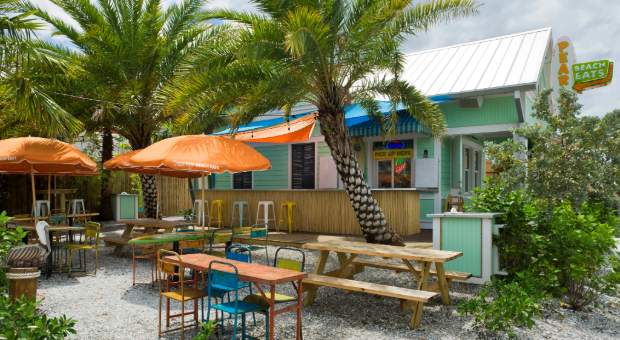
CommercialVology
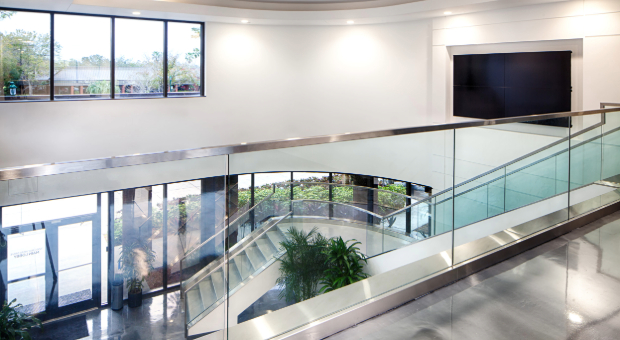
CommercialEdge Hotel
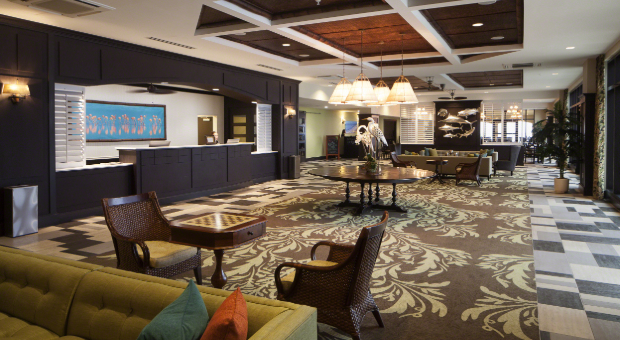
CommercialFairfield Inn Clearwater Beach
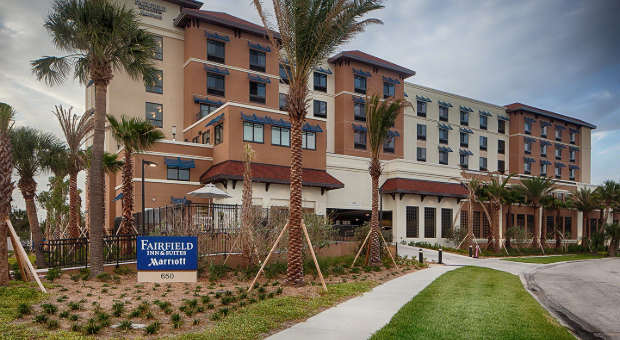
HealthcareMedical Center
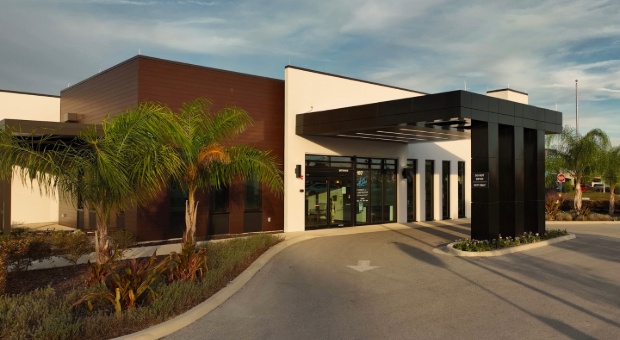
HealthcareAssisted Living Facility
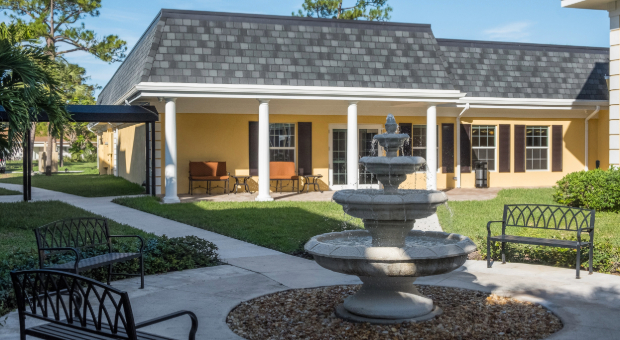
HealthcareClinical Research Center
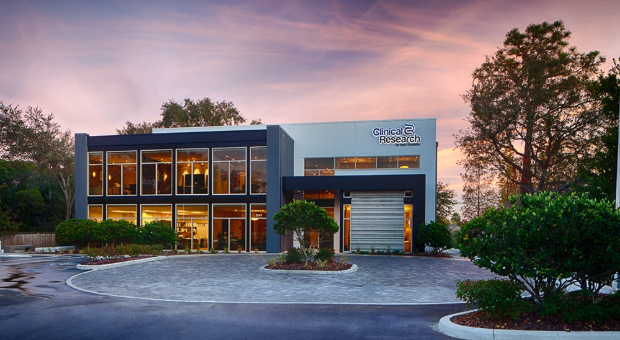
HealthcareIndependent Living Facility
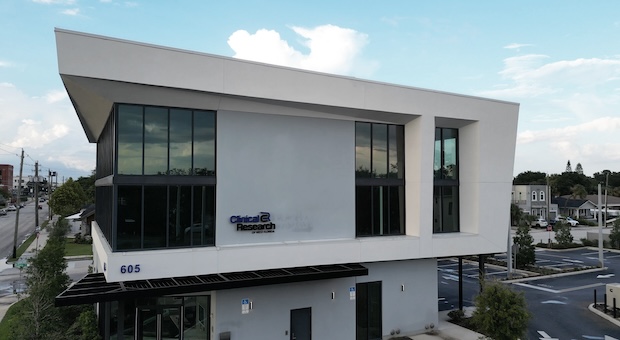
HealthcareClinical Research Center
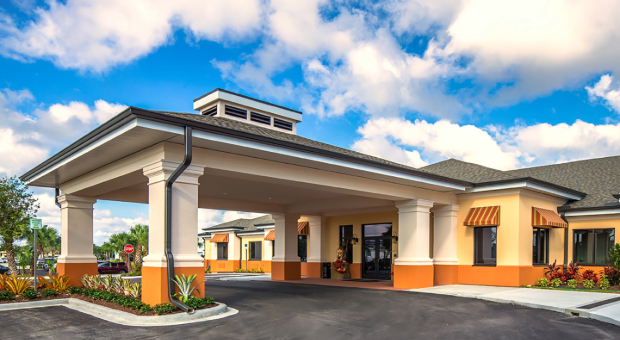
HealthcareMemory Care Facility
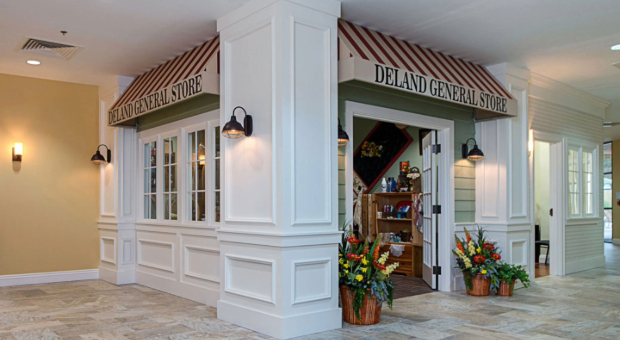
HealthcareAssisted Living Facility
HealthcareMedical Center
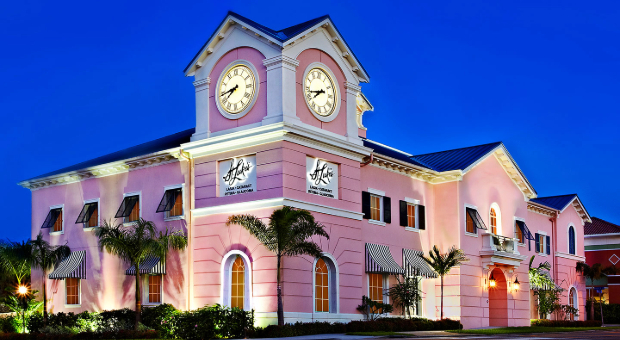
HealthcareAssisted Living Facility
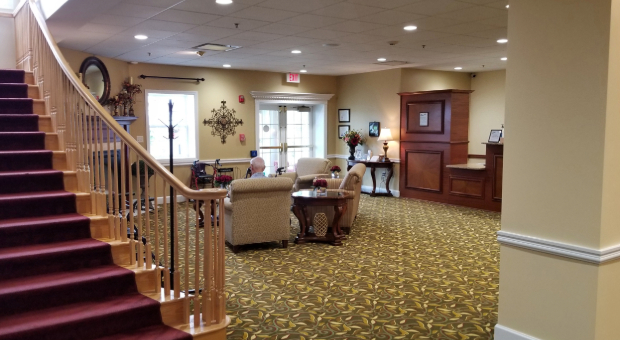
HealthcareAssisted Living Facility